

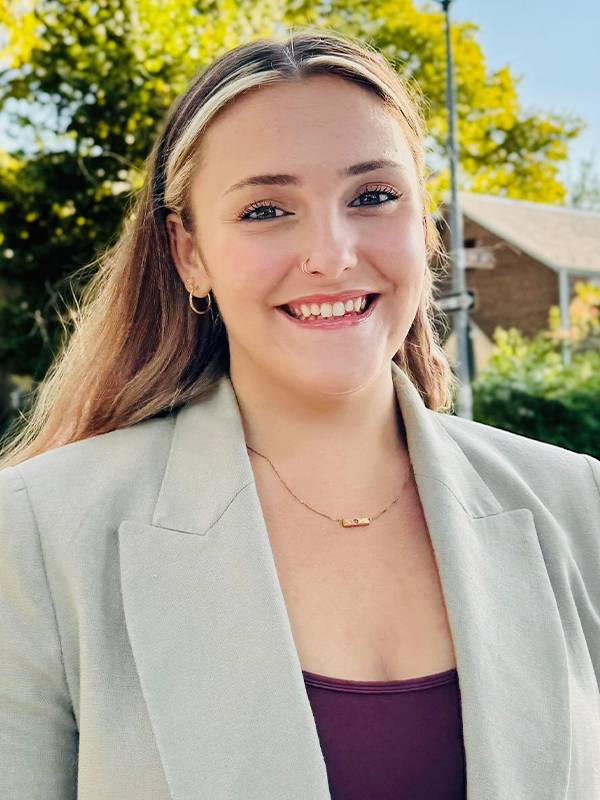
 My time at Stony Brook University’s School of Social Welfare shaped how I understand systems, power, and responsibility. The macro specialization helped me recognize how challenges in housing, education, and family life are often produced and intensified by policy choices and institutional design.
During my time as a student, I worked full-time in homeless shelters across Long Island, then directly with unhoused or at-risk veterans, and finally with a Suffolk County Legislator. These experiences, coupled with my education, ultimately led me to pursue law alongside social work so I could engage those systems more directly and help shape them with intention.
I have since completed my JD at CUNY School of Law, the nation’s leading public interest law school, while continuing to practice as a licensed social worker.
An Advocacy-Centered Career
My work has spanned education advocacy, civil rights and environmental justice litigation, and policy research focused on equity in public education and student voice. I have also contributed to published work, including a law review article examining New York’s guardianship system, a community-centered environmental justice white paper developed in partnership with impacted residents, and a piece exploring bilingual learning in public schools as a form of trauma-informed care.
Alongside my legal training, I have worked at the Center for Public Research at Columbia Law School, supporting education-focused initiatives that examine student voice, school governance, and equity within public education systems. Through this work, I helped design and facilitate the Future of Schools Institute, engaging New York City public high school students in conversations about belonging, accountability, and their role in shaping school culture.
My time at Yale Law School’s Environmental Justice Clinic further grounded my work in community-centered advocacy, supporting Native American tribes in challenges to their water rights and working alongside historically marginalized communities confronting environmental injustice through research, storytelling, and legal strategy. I also collaborated with immigrant communities opposing the placement of AI data centers near public K-through-12 schools, advancing novel legal claims while centering community narratives throughout the advocacy process.
Currently, I am working as a law graduate with Legal Services of Long Island’s Education and Disability Rights Project, supporting students and families navigating special education services, disability accommodations, and school access. In this role, I work closely with caregivers, educators, social workers, and service providers to translate complex educational and healthcare systems into clear and compassionate guidance that empowers families as partners in their children’s learning.
Lessons from SSW
One lesson from SSW that continues to guide me is that ethical practice requires courage and compassion, not just technical skill. Learning to ask who benefits from a system and who is harmed by it has shaped my approach across every professional setting. The skills I gained at SSW, particularly systems thinking, trauma-informed analysis, and coalition building, have proven invaluable far beyond traditional social work roles. If I could offer my student self one piece of advice, it would be this: Your lived experience is not something to set aside as you grow. It is a source of insight and strength.
To students just beginning their journey, I would say that social work opens more doors than may be visible at first. The degree equips you to work across disciplines, influence policy, and help shape institutions. Stay grounded in your values, trust the skills you are building, and know that your voice belongs in these spaces.
Finally, I encourage students to think about sustainability in both their careers and their lives. Social work asks us to show up for others, often in moments of crisis or injustice, but that work is only possible when we also care for ourselves, the people around us, and reach out when we need connection.
Wellness is both personal and collective. It lives in boundaries, rest, and in the ways we look out for one another within our communities. It is not a luxury or an afterthought, but a core part of ethical practice. Taking care of your own well-being and contributing to cultures of care where you can allows you to remain grounded and present in the work for the long term. My own care includes volunteering with community groups, boxing with friends, and maintaining a meditation practice that continues to evolve.
Be kind to yourself, stay curious, and keep showing up. It truly makes a difference.
